Data center investment has become one of the most talked-about categories in commercial real estate over the last several years, largely on the back of AI and cloud demand, and a lot of that conversation skips past how differently the three main segments of the sector actually work. A hyperscale build leased to a single cloud provider, a multi-tenant colocation facility, and a smaller edge site serving local latency needs are priced and financed in genuinely different ways.
Hyperscale, Colocation, and Edge Are Not the Same Deal
Hyperscale facilities are typically built to suit for a single large tenant, often a cloud or AI infrastructure company, under a long-term lease that resembles a build-to-suit industrial deal more than a traditional data center investment. Colocation facilities lease rack and cabinet space to many smaller tenants and behave more like a specialized multi-tenant operating business, with revenue tied to occupancy and power draw per tenant. Edge facilities are smaller, closer to end users, and exist to reduce latency for specific applications, a niche with its own tenant base and lease structure.
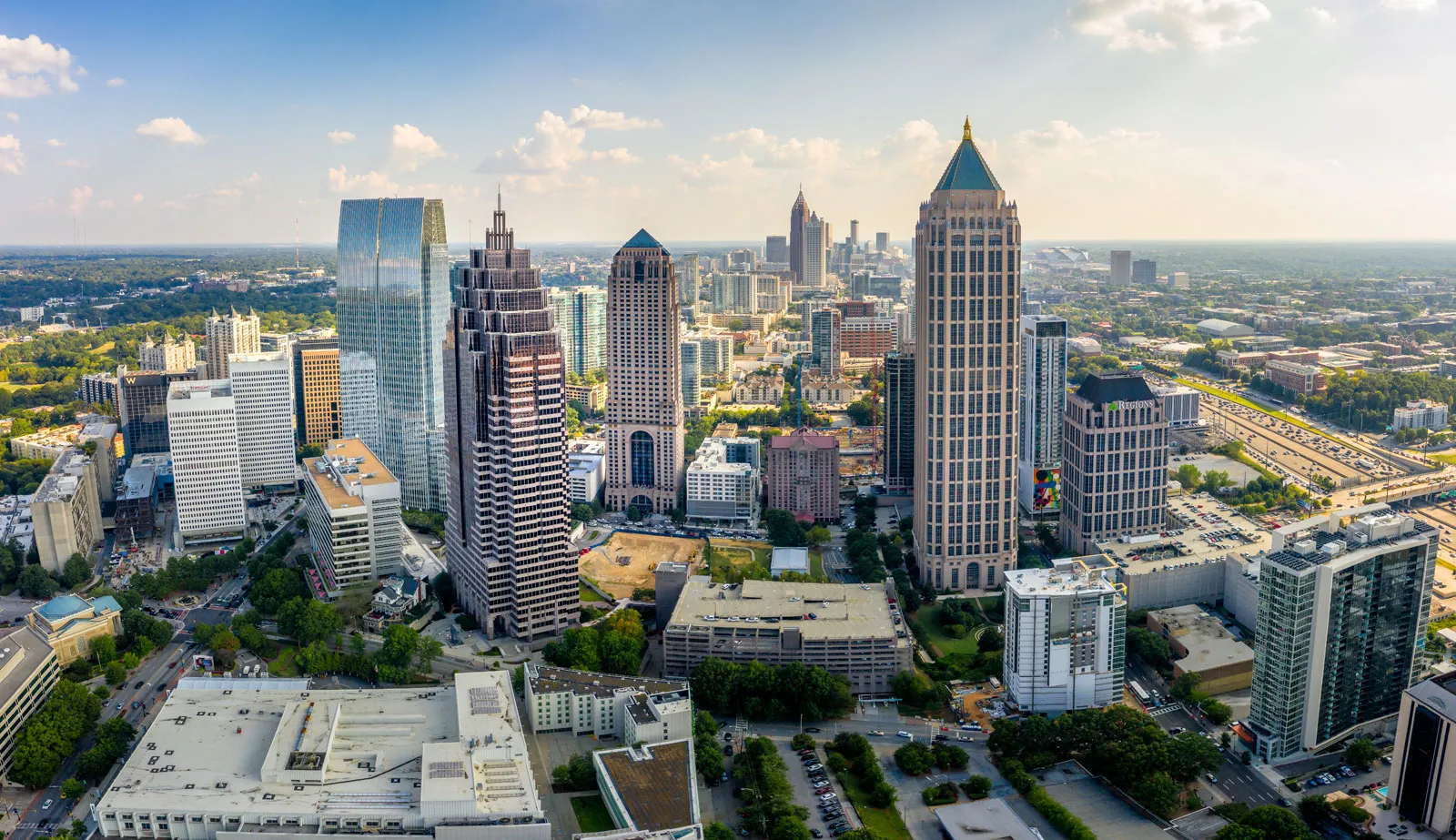
The Atlanta metro has become one of the more active secondary data center markets in the Southeast, with several large campuses developed along the region's fiber and power corridors, which gives local exchangers more exposure to the asset type than would have been available a decade ago.
Power Access Has Replaced Land as the Binding Constraint
In most growth markets, available land is not what limits new data center development anymore, utility power interconnection is. Getting a large new power allocation approved and built by the local utility can now take longer than constructing the building itself, and submarkets with confirmed power capacity command a real premium over otherwise similar sites that are still waiting in a utility's interconnection queue.
An investor evaluating a data center or a development site for one needs the actual utility interconnection status, not just a stated power capacity number in the marketing materials, since a promised allocation that has not cleared utility approval is not the same thing as power in hand.
Tenant Concentration Creates Real Releasing Risk
A single-tenant hyperscale facility carries meaningful releasing risk at lease expiration, since the building's cooling and power infrastructure is often custom-built around one tenant's specifications and may not suit a different operator without significant retrofit cost. Colocation assets diversify that risk across many tenants but add operating complexity that a passive investor typically cannot manage directly.
Cooling technology is evolving quickly as well, with liquid cooling becoming standard for the dense compute racks used in AI workloads, and a facility built for older air-cooled deployments may need a costly retrofit to attract the next generation of high-density tenants.
Data Centers as 1031 Replacement Property
Data center real estate qualifies as like-kind investment property in a 1031 exchange, and net-leased single-tenant facilities are the structure most accessible to an individual exchanger, since colocation operations generally require specialized operating expertise most owners do not have. Because data center transactions are large, technically complex, and often move on tight timelines set by the seller, an exchanger identifying one inside a 45-day window should engage technical and lease diligence early rather than treating it like a standard net-lease purchase.
Common Questions
What is the difference between hyperscale, colocation, and edge data centers?
Hyperscale facilities are typically built to suit for one large cloud or AI tenant under a long lease, colocation facilities lease rack space to many smaller tenants and function more like an operating business, and edge facilities are smaller sites placed near end users to reduce latency.
Why is power access such a big issue in data center investment?
Utility interconnection approval for large power allocations often takes longer than constructing the building, so submarkets with confirmed power capacity trade at a premium over sites still waiting in a utility's queue, and a marketed power number is not the same as an approved allocation.
What happens if a hyperscale tenant does not renew its lease?
The building's cooling and power infrastructure is often custom-built around that tenant, so a non-renewal can trigger significant retrofit cost to re-lease the space, which is a real concentration risk in single-tenant data center deals.
Can a data center be used as 1031 replacement property?
Yes, data center real estate is like-kind investment property, and a net-leased single-tenant facility is generally the most accessible structure for an individual exchanger since colocation operations require specialized operating expertise.
What should a buyer confirm before identifying a data center inside a 45-day window?
The actual utility interconnection status and approved power allocation, along with the specifics of the tenant lease and any retrofit obligations at expiration, since these deals are technically complex compared to a standard net-lease purchase.